While there is much to look forward to when traveling abroad with children, there are also many questions to be asked, such as, "What if they get sick while we are there? What if they get hurt? What if they get injured?
Especially overseas, medical expenses and the process of dealing with them are completely different from those in Japan, so the sense of security will vary greatly depending on prior preparations.
In this article, we will discuss how to choose an overseas travel insurance policy for your child, from understanding the risks to selecting coverage and preparing before departure.
table of contents
What are the possible risks of international travel for children?
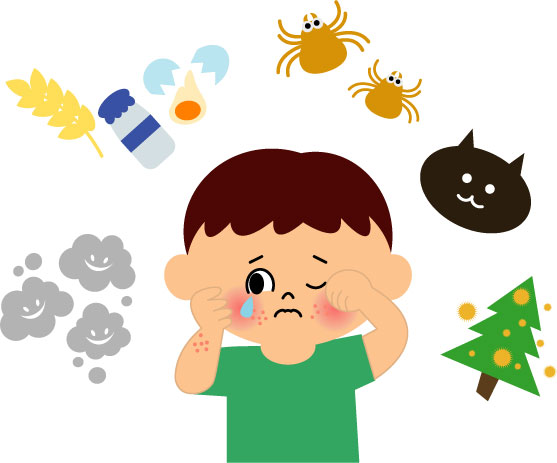
The first thing to do is to figure out what could happen. Children are sensitive to environmental changes and their behavior is difficult to predict, so there are many points that can be overlooked by adults.
...get sick from unfamiliar food and water.
Running and falling while sightseeing
Easy to get lost in a crowd
As mentioned above, trouble is closer at hand than you might imagine.
In addition, there are risks such as pickpocketing, theft, and traffic accidents abroad. Even if you think "my child will be fine," the situation can change drastically with a change in environment. That is why it is important to be prepared for such situations. In addition, there are many situations where parents are unable to respond immediately if their child encounters trouble overseas (e.g., if they are traveling separately), so it is necessary to sort out the types of risks and countermeasures in advance.
What coverage do I need for my child? Risk-Based Approach
Let me next summarize the coverage.
It is important to think based on "how to respond to which risks" rather than joining the program for the time being. In particular, medical coverage should be a priority for children. Of course, theft and emergency coverage should not be overlooked. The following are two points of coverage that should be checked as a general guideline.
Sickness and injury: Hold medical treatment and relief costs to a minimum.
Emergency: Travel and rescue expenses for family members and damage to personal belongings
If you organize the above, you can see "what you want to prioritize".
The more medical coverage you have, the more peace of mind you will feel. It could be said that the criterion for selecting travel insurance for children is the coverage.
Should I focus on the support system rather than the amount of coverage?
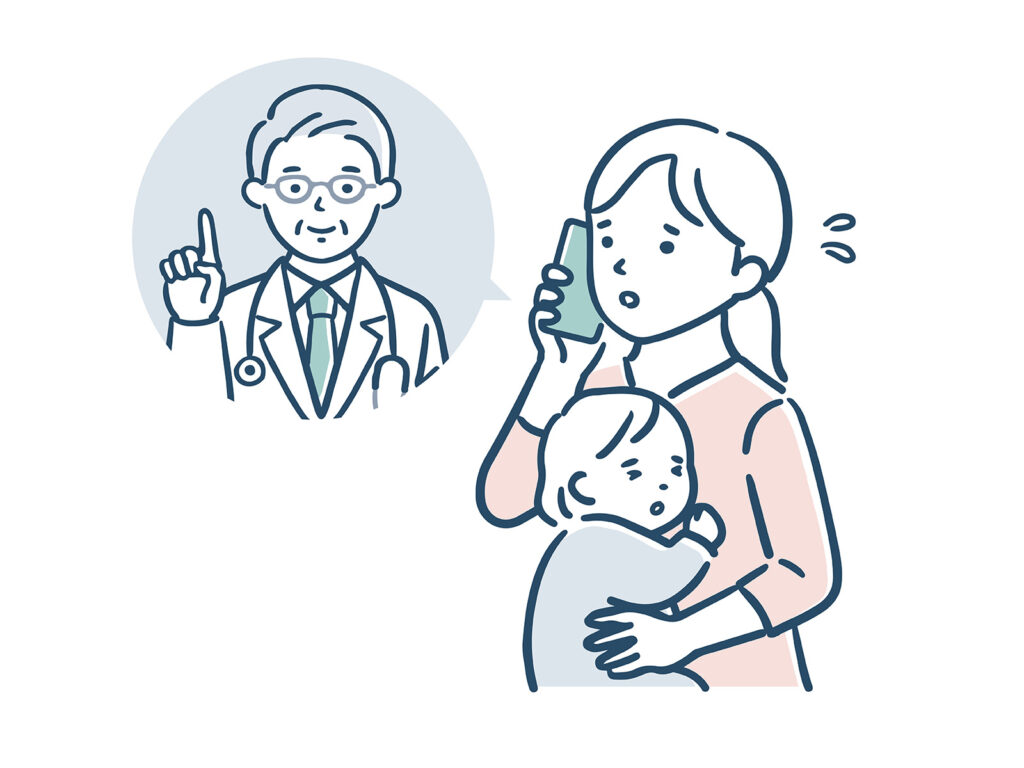
When choosing travel insurance, we tend to focus only on the amount of coverage and conditions. However, whether or not the insurance is actually useful depends largely on the support system of the travel insurance. Imagine if your child develops a fever in the middle of the night.
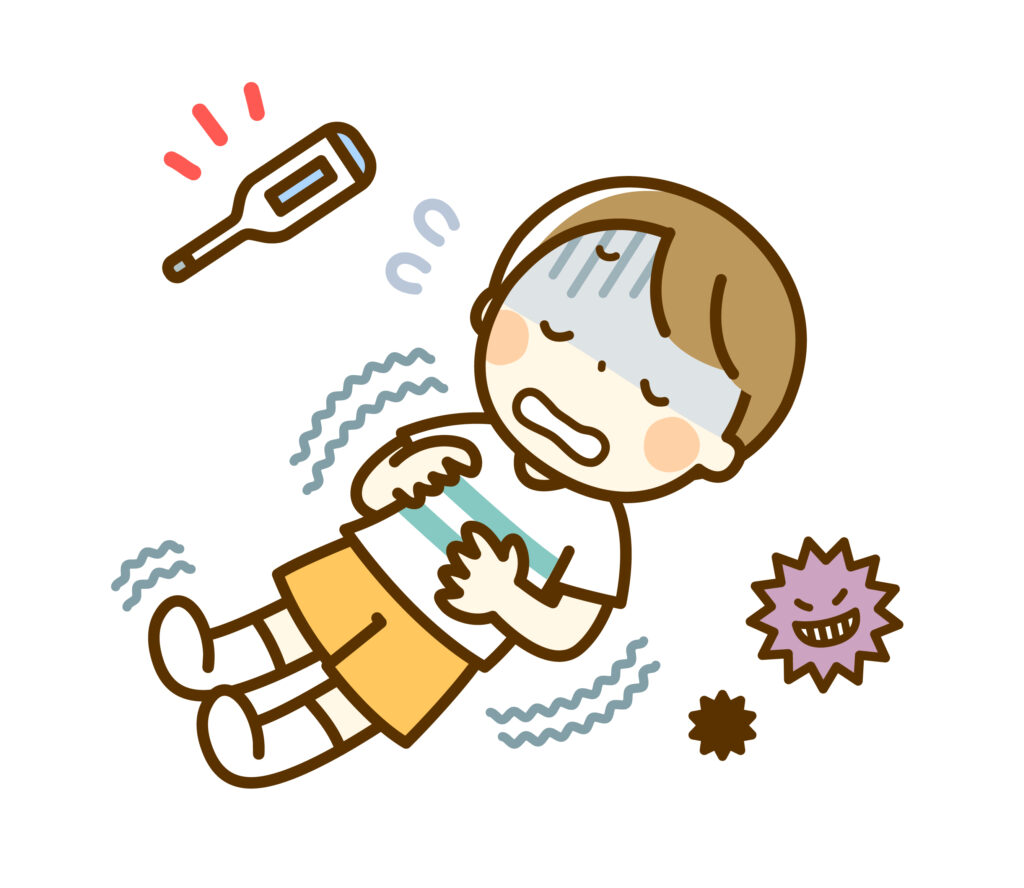
At such times, just having these three things in place will make you feel much safer: "I can consult in Japanese," "I can be guided to a hospital immediately," and "I can receive cashless medical treatment.
On the other hand, if you are unable to contact the company, if the procedures are complicated, or if you have to pay locally, you may feel uneasy even if the amount of compensation is high.
It is important to imagine not only the amount of coverage but also the actual usage scenario.
How do you think about insurance premiums? Prepare for travel with children without wasting money.
As a subscriber, you want to "keep premiums as low as possible," but cutting too much can also increase risk. The axis of balance is based on the number of days of travel, the age of the child, and medical expenses in the destination country.
The longer you stay in a country, the more likely you are to have problems, and the younger you are, the more likely you are to have physical problems. And there's a big difference in medical costs between countries. In areas where medical costs are high, it is a good idea to have full medical coverage.
The following is a rough guide to the criteria for making a decision.
For long-term stays, choose the best medical coverage.
・Consider whether toddlers and younger children can handle physical health problems.
If a country has high health care costs, calculate the cost of not enrolling.
In other words, "What would you most want to have happen?" If you choose coverage based on this question, you will be able to see what you want support for from a realistic point of view without waste.
The result is a convincing choice.
Preparation to be done before departure
Insurance is not the end of the process.
To put it simply, the set is to be ready for use in case of emergency. The following is a summary of the minimum preparations you should make.
Keep your insurance policy readily available for review.
Share emergency contact information with family members.
Have the means and environment in place for communication in the destination country.
In addition, "organizing information on the child's allergies and pre-existing medical conditions" and "information on medications taken" will make it much easier to deal with problems.
In many cases, it is difficult to find out about the situation on the spot when you are abroad, so it will make a big difference in your sense of security if you are well prepared before your departure.
Points easily overlooked in travel insurance
Travel insurance is by no means a panacea and is based on detailed conditions. By understanding conditions that are often overlooked, you can avoid problems later on.
Particular attention should be paid to the following
Treatment for pre-existing conditions is often not covered.
・Injuries during certain sports may not be compensated.
...coverage limits for expensive belongings.
Delayed communication after a problem occurs will result in loss of coverage.
The above conditions are often overlooked, but just keeping them in mind beforehand will change your peace of mind.
How exactly does insurance help? Assuming your child gets into trouble
To understand the value of insurance, it is useful to "imagine specific usage scenarios.
For example, if your child develops a fever while traveling, you can contact support and ask for a referral to a hospital, where you can receive a cashless checkup.
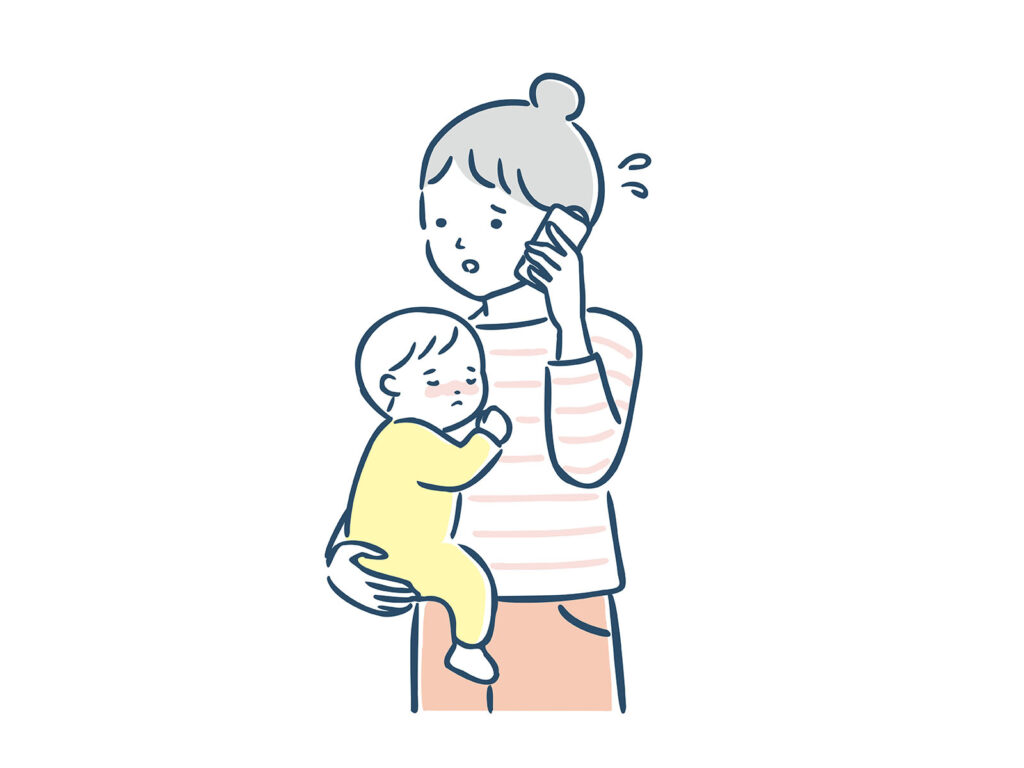
If your luggage does not arrive, you will be compensated later for the purchase of necessary items, and if you should need to be hospitalized, your travel insurance will also cover the cost of medical treatment. By imagining this kind of flow, "compensation in case of trouble" becomes clearer, doesn't it?
Summary (Think of children's overseas travel insurance as a "flow")
It is important to think of travel insurance for children not as a mere comparison, but as a process of "understanding the risks, selecting coverage, and preparing before departure.
Only when this sequence of events is in place can peace of mind be achieved.
Of course, anxiety cannot be reduced to zero, but it can be greatly reduced just by being well prepared. It is a family vacation, so make sure you are in a position to enjoy it with peace of mind.
| Contact Us |
|---|
| ▼ Tokio Marine & Nichido Customer Center Email address web-admin735@tmnf.jp Business hours 9:00-17:00 Monday-Friday (except national holidays and year-end and New Year holidays) |
| Agents |
| Daikou Insurance Service Co. Email address daikou@skyblue.ocn.ne.jp |