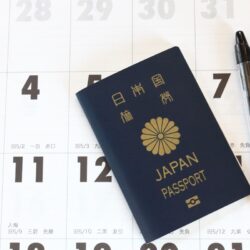

Once you’ve decided to study abroad, go on a working holiday, or work overseas, your attention tends to focus on things like “booking flights,” “finding a place to stay,” and communicating with your school or employer, doesn’t it?

In reality, however, many people find themselves wondering, “Do I need insurance?” “Is it related to my visa application?” and “By when do I need to sign up?” even before they leave the country.
In particular, people living abroad for the first time often put off arranging insurance and visas, only to find themselves scrambling at the last minute before departure. Some feel secure simply by obtaining a visa and travel without adequate insurance coverage, while others have purchased insurance but do not fully understand how it relates to their visa application.
In this article, we’ll explain the relationship between insurance and visas, key preparation tips, and the mindset and insurance coverage needed to get your life abroad off to a smooth start—all for those planning to study abroad, go on a working holiday, or work overseas from Japan.
table of contents
Why Many People Have Trouble with Insurance and Visas Before Leaving the Country
When preparing for a trip abroad, we tend to prioritize the "visible" things.
Book your flight and start handling the necessary paperwork with your school and destination. Since these preparations really make the trip feel real, many people start tackling them early on, don’t they?
On the other hand, people tend to put off arranging insurance and visas, thinking, “I’ll get to that later.” However, visas and insurance are actually essential when traveling abroad. If either is missing, your travel preparations may not go as smoothly as planned.
Furthermore, with so much information available online, it’s easy to get overwhelmed and lose track of what applies to you—whether you’re planning to study abroad, go on a working holiday, or work overseas; where you’ll be going; and how long you’ll stay. Since the necessary preparations change depending on your circumstances, it’s not uncommon for people to feel that “the more I research, the less I understand!”

Plus, if it’s your first time traveling abroad, you might not have had much opportunity to learn about insurance options or visa requirements, so time can end up slipping away without you really understanding what you need to do.
As a result, there are cases where people find themselves scrambling to gather information or rushing to prepare the necessary documents just a few weeks before departure (or even a few days right before departure).
The necessary preparations differ depending on whether you are studying abroad, participating in a working holiday program, or working overseas.
Even though the goal of “going abroad” is the same, the preparations required differ depending on whether you’re studying abroad, participating in a working holiday program, or working overseas. When studying abroad, the focus is mainly on enrolling in school and obtaining a student visa, right?
Of course, some language schools and universities provide information about insurance enrollment and may even have designated insurance plans in place.

In addition, since working holidays typically involve multiple purposes—such as sightseeing, employment, and language study—stays tend to be longer. Therefore, in case of an emergency, you must also consider the risk of medical expenses should you become ill or injured while abroad.
The situation is even more different when working abroad.
Even if it’s just a short-term position, if you’re hired by a local company, you may be able to enroll in their insurance plan after you start working—but coverage doesn’t necessarily begin immediately upon your arrival, does it?
Given this situation, the following points are important.
・Studying Abroad and School Administrative Procedures
・Working Holiday: Preparing for the Risks of Staying Abroad
・Working Abroad: Dealing with Gaps in Employment Before Starting a New Job
You need to consider insurance and visas from different perspectives.
Since everyone’s circumstances are slightly different, it’s important not to rely solely on other people’s experiences, but to tailor your preparations to your own travel goals.
What is the relationship between visa applications and health insurance?
Here’s a quick summary of the relationship between visas and insurance.

Situations in which proof of insurance is required
Depending on your destination and the type of visa, you may be required to present proof of insurance.
In particular, for programs involving long-term stays, it is often recommended that you purchase insurance to cover medical expenses in case of an emergency. However, even for short-term stays, insurance may be required. Therefore, when researching visa requirements, it is important to also check the insurance-related conditions.
Differences by Country and Visa Type
When you think about it, it goes without saying that insurance “terms and conditions” are not the same everywhere in the world.
Even for the same working holiday program, the requirements can vary from country to country. The same goes for student and work visas—the required documents and verification procedures generally differ. So, instead of assuming, “My friend didn’t need them, so I’ll be fine too,” be sure to check the latest information.
Considerations Regarding the Enrollment Period
People often think that insurance is something to consider after obtaining a visa, but in reality, it’s more efficient to start preparing for it at the same time. If you start gathering information as early as possible, it will be easier to gather the necessary documents, and the process will go more smoothly.
By preparing in advance, you can significantly reduce the risk of rushing around right before departure.
The Benefits of Arranging Insurance Before Departure
As I mentioned briefly earlier, many people believe that “insurance is something you should purchase right before your trip.” However, there are many benefits to planning ahead.
First and foremost, it’s the “peace of mind.”
Especially when living abroad, you may encounter problems you never imagined while in Japan. It’s not just about falling ill or getting injured—there may be times when you have to find a hospital in an environment where you can’t communicate. Simply having insurance in place can make a world of difference in terms of your peace of mind.
Another advantage is that you can handle this process alongside your visa preparations. Since you’ll have plenty of time to verify the required documents and obtain any necessary certificates, you’ll be less likely to find yourself scrambling right before departure.
And next is what gives families peace of mind.
When traveling abroad for the first time, it’s not just the traveler who feels anxious—the family members seeing them off do too. Having insurance in place beforehand can help ease those worries and give everyone peace of mind.
Tips for Choosing the Right Insurance Before You Leave the Country
Next, I’d like to share some tips to help you avoid making mistakes.

Choose insurance that matches the length of your stay
The coverage required differs between short-term study abroad programs lasting a few weeks and working holiday programs lasting a year or more. That said, there are also cases where people stay for a short period on a working holiday visa, so it really depends on the individual situation.
Also, the terms and conditions for working holiday programs may vary depending on the employer (part-time job). Be sure to check with your employer in advance and take care of any steps you can handle ahead of time.
Above all, it’s important to base your decision on the length of your stay.
Check the coverage details
If you base your decision solely on the premium, you may end up without the coverage you actually need. Therefore, be sure to check not only medical expenses but also liability coverage and rescue expenses.
Check whether an insurance certificate can be issued
Depending on your destination and visa requirements, you may need to provide proof of insurance coverage. To avoid last-minute rushes when preparing your documents, we recommend checking in advance whether a certificate can be issued.
Why Marine Passport Is the Top Choice
Some people looking for insurance they can purchase before leaving the country consider Marine Passport. One reason for this is that you can start the application process while you’re still in Japan.
Whether you're planning a short-term study abroad program, a working holiday stay of less than 31 days, or working overseas, there are many things to take care of before you leave. In such situations, being able to arrange insurance in advance is a major advantage.
It’s also reassuring for those who want to be prepared for situations where proof of insurance is required to be able to complete the necessary procedures before leaving the country. When choosing travel insurance, it’s important to review the coverage details and terms and select a plan that suits your travel plans.
Checklist of things to confirm before leaving the country
Before traveling abroad, be sure to carefully organize the following items.

・Passport expiration date
・Visa application status
・Whether or not you have insurance
・Departure date and arrival date
・Accommodation Information
・Emergency Contact
・Means of communication while on site
・Where to store the required documents
Checking the items listed above in advance will help you avoid last-minute problems before departure.
summary
When studying abroad, participating in a working holiday program, or working overseas, it is essential to arrange for a visa and insurance.
In reality, though, many people end up putting off checking their insurance and visa requirements because they’re so focused on booking flights and finding accommodations. While the specific requirements vary depending on your destination and the type of visa, one thing remains true: “Early preparation brings peace of mind.”

To avoid last-minute stress right before departure, we recommend planning your visa and insurance together and preparing them one by one. Marine Passport is an affordable international travel insurance plan available for individual enrollment. We highly recommend considering it for short-term study abroad programs, short-term stays on a working holiday visa, or short-term work abroad.
・Individuals aged 18 or older
・Corporations are not eligible to enter into contracts
The above are the requirements for enrolling in Marine Passport. We hope this information will help you choose the right travel insurance policy for your needs as you prepare for your trip abroad.
| Contact Us |
|---|
| ▼ Tokio Marine & Nichido Customer Center Email address web-admin735@tmnf.jp Business hours 9:00-17:00 Monday-Friday (except national holidays and year-end and New Year holidays) |
| Agents |
| Daikou Insurance Service Co. Email address daikou@skyblue.ocn.ne.jp |